Novaa Light Pad Review (2026)
The Novaa Light Pad offers a strong combination of dual wavelength therapy, FDA clearance, and an affordable price point. Clinical research supports both the 660nm and 850nm wavelengths it uses, and users consistently report reduced pain and stiffness after two to four weeks of daily sessions. With a 60-day money-back guarantee, it is a low-risk way to try red light therapy.
Check Price at NovaaLabOverview
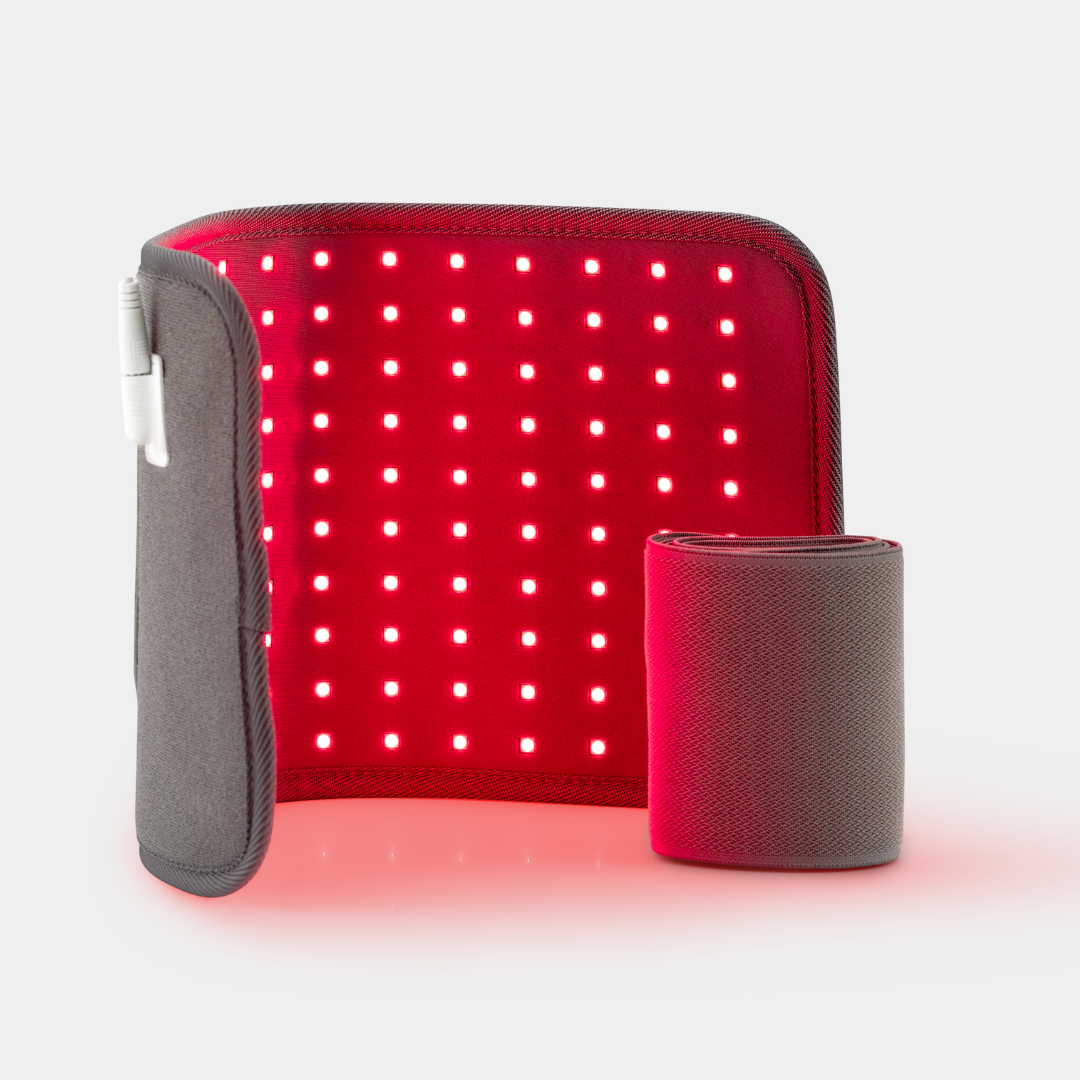
The Novaa Light Pad is a flexible, wearable red light therapy device aimed at people dealing with localized pain, stiffness, or muscle soreness. It uses dual wavelength LEDs (660nm red and 850nm near-infrared) to deliver photobiomodulation therapy to one body area at a time. At its price point, it sits well below full panel systems from brands like Joovv while still offering FDA Class II medical device clearance and the same clinically studied wavelengths.
The question with any affordable red light device is whether it actually delivers enough power to be therapeutic, or whether it just glows red for show. Based on the manufacturer's specifications, user feedback, and the clinical research behind its wavelength combination, the Light Pad appears to clear that bar. Here is a closer look at what it offers.
Key Features and Specs
The Light Pad has 60 medical-grade LEDs, each rated at 120mW of power output according to NovaaLab. That number matters. Many cheaper devices on Amazon look similar but run at much lower power. They glow red, sure, but they may not deliver enough energy to tissue for a therapeutic effect. The 120mW per LED figure puts this device in a range consistent with clinical photobiomodulation research.
Dual Wavelength Technology
The standout feature is the dual wavelength setup: 660nm visible red light plus 850nm near-infrared. These two wavelengths appear repeatedly in photobiomodulation research as the most effective for stimulating cellular repair. The 660nm penetrates about 8 to 10 millimeters deep, making it suitable for skin and surface muscle issues. The 850nm goes much deeper into joints, tendons, and deep muscle tissue. You cannot see the 850nm light with your eyes; it is invisible.
Many pads in this price range only offer one wavelength, meaning they treat either surface tissue or deep tissue, not both. Having both wavelengths running simultaneously is a real advantage and a key differentiator from cheaper alternatives.
Other Specs
- USB powered with a standard connection for universal compatibility
- Auto shut-off timer for safe, hands-free sessions
- FDA Class II medical device clearance
- 1-year manufacturer warranty
- 60-day money-back guarantee
Build Quality and Design
The Light Pad is flexible, not rigid. It bends and wraps around body contours rather than sitting flat like a panel. According to users, it drapes over the curve of the spine for lower back treatment and conforms around the knee joint for targeted knee therapy. That full contact matters because light scatters in air. The closer the LEDs sit to the skin, the more energy actually reaches the tissue.
The inner surface is described as smooth and medical-grade against bare skin. The outer side has enough stiffness to hold shape while still bending easily. NovaaLab includes adjustable straps so the pad can be secured hands-free during sessions, which is necessary for 15 to 20 minute treatments.
The USB cable appears long enough for typical home setups. Users report solid build quality over months of daily use, with no reports of cracking, fraying, or LED failure in the reviews we examined.
Performance and Results
The science behind this device is photobiomodulation: specific light wavelengths stimulate the mitochondria in cells to produce more ATP, which accelerates tissue repair. This is a gradual, cumulative process. Clinical studies show measurable improvements typically after two to four weeks of consistent daily use. Anyone claiming dramatic results after a single session is likely experiencing placebo.
Users report feeling a gentle warmth within minutes of starting a session. Not hot, just warm enough to confirm the LEDs are delivering energy. User reviews on NovaaLab's site and third-party platforms consistently mention reduced stiffness and pain after two to three weeks of daily sessions, particularly for lower back and knee issues.
The 60 LEDs cover enough area for one body part at a time. A lower back, one knee, or a neck and upper shoulder area all fit within the pad's coverage. Treating a full back from top to bottom in one session requires repositioning halfway through, or stepping up to the XL version.
Operation is straightforward. Strap it on, press the button, wait for the auto timer to shut it off. No app, no Bluetooth, no settings to configure. That simplicity is a plus for daily compliance.
Who Should Buy This
The Light Pad makes the most sense for people curious about red light therapy who do not want to invest heavily in their first device. The affordable price combined with the 60-day guarantee means buyers can run a genuine multi-week trial without financial risk.
It is also well suited for anyone with a specific recurring problem area. Lower back tightness from desk work, a cranky knee, a stiff neck, or a shoulder that never fully recovered from an injury. The flexible design wraps around most body parts, adapting to different treatment locations.
Weekend runners, gym regulars, and anyone who pushes their body and wants a recovery tool for one or two problem spots will find this handles the job well. It is not a full body solution and does not pretend to be.
If pain is widespread, covering the entire back or multiple large areas at once, the Deep Healing Pad XL or the Recovery Pod would be better choices. The standard Light Pad is a precision tool. Think scalpel, not sledgehammer.
Value for Money
The cheap devices on Amazon are a concern because many use weaker LEDs, skip the near-infrared wavelength, and lack FDA clearance. On the other end, Joovv panels with similar wavelength technology cost significantly more. The Novaa Light Pad sits in the middle without sacrificing the features that matter.
What you get: dual wavelengths, 120mW per LED, FDA Class II clearance, and a flexible design that contacts the skin directly instead of hanging on a door. That combination is hard to find at this price point.
The 60-day guarantee is a notable differentiator. Most competitors offer 30 days or nothing. Since red light therapy takes two to four weeks of daily use to produce noticeable results, a 30-day window barely leaves time to evaluate anything. Sixty days allows a fair test.
The 1-year warranty is standard. LEDs last tens of thousands of hours, so unless something is defective out of the box, the warranty is unlikely to be needed. But it provides a reasonable safety net.
Bottom Line
The Novaa Light Pad delivers dual wavelength red light therapy through a flexible pad that straps onto the body and targets specific areas. The 660nm and 850nm combination has strong clinical backing, the 60 LEDs provide real therapeutic power based on the manufacturer's specifications, and the FDA clearance separates it from sketchy wellness gadgets.
The downsides are the limited treatment area (one body part at a time) and the USB power requirement. For most use cases, neither is a dealbreaker. Plug into a wall outlet and treat one area per session. For more coverage, NovaaLab sells the XL. For portability, a USB power bank works.
For anyone looking to start with red light therapy or needing a daily tool for a specific pain area, this is a strong option in its price range. The 60-day guarantee removes most of the purchase risk. Give it a month of consistent daily use and evaluate from there.
Frequently Asked Questions
How long does each treatment session take with the Novaa Light Pad?
NovaaLab recommends 15 to 30 minutes per session. The device includes an auto shut-off timer, so you can strap it on and go hands-free. Most users start at 15 minutes and adjust based on their response. Clinical photobiomodulation studies typically use session lengths in this same range.
Can I use the Novaa Light Pad on my face or for skin concerns?
The Light Pad is designed for body use: backs, knees, necks, and shoulders. While the 660nm wavelength does support skin health at a surface level, NovaaLab makes a separate Glow Therapy Mask specifically for facial skincare. The pad's shape and size are not optimized for facial application.
Is the Novaa Light Pad safe to use every day?
Yes. It is FDA Class II cleared for home use, and the wavelengths (660nm and 850nm) have a long track record in clinical studies with no reported adverse effects at recommended doses. Consistency matters with red light therapy. Research shows that daily use over several weeks produces better outcomes than occasional sessions.
What is the difference between the 660nm and 850nm wavelengths?
The 660nm red light penetrates about 8 to 10 millimeters deep, targeting skin and shallow muscle tissue. The 850nm is near-infrared, invisible to the eye, and penetrates much deeper into muscles, joints, and connective tissue. Having both wavelengths means the device treats tissue at multiple depths simultaneously rather than just the surface layer.
How does the 60-day money-back guarantee work?
You have 60 days from purchase to decide. If unsatisfied, contact NovaaLab support for a return. This is a better window than most competitors offer (typically 30 days), and it matters because red light therapy generally takes two to four weeks of steady use before noticeable results. Sixty days gives enough time to run a proper trial.
Ready to Try the Novaa Light Pad for Deep Healing?
All NovaaLab devices come with a 60-day money-back guarantee and 1-year warranty.
Check Price at NovaaLab